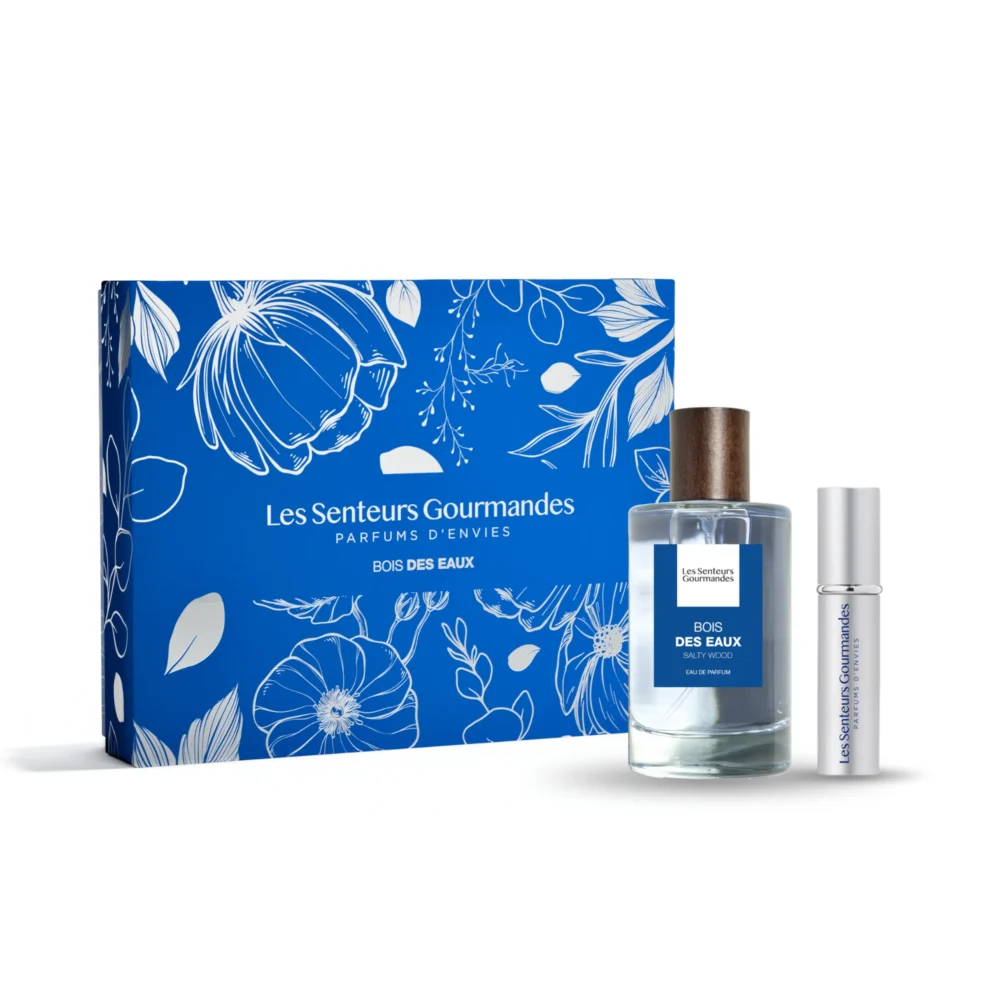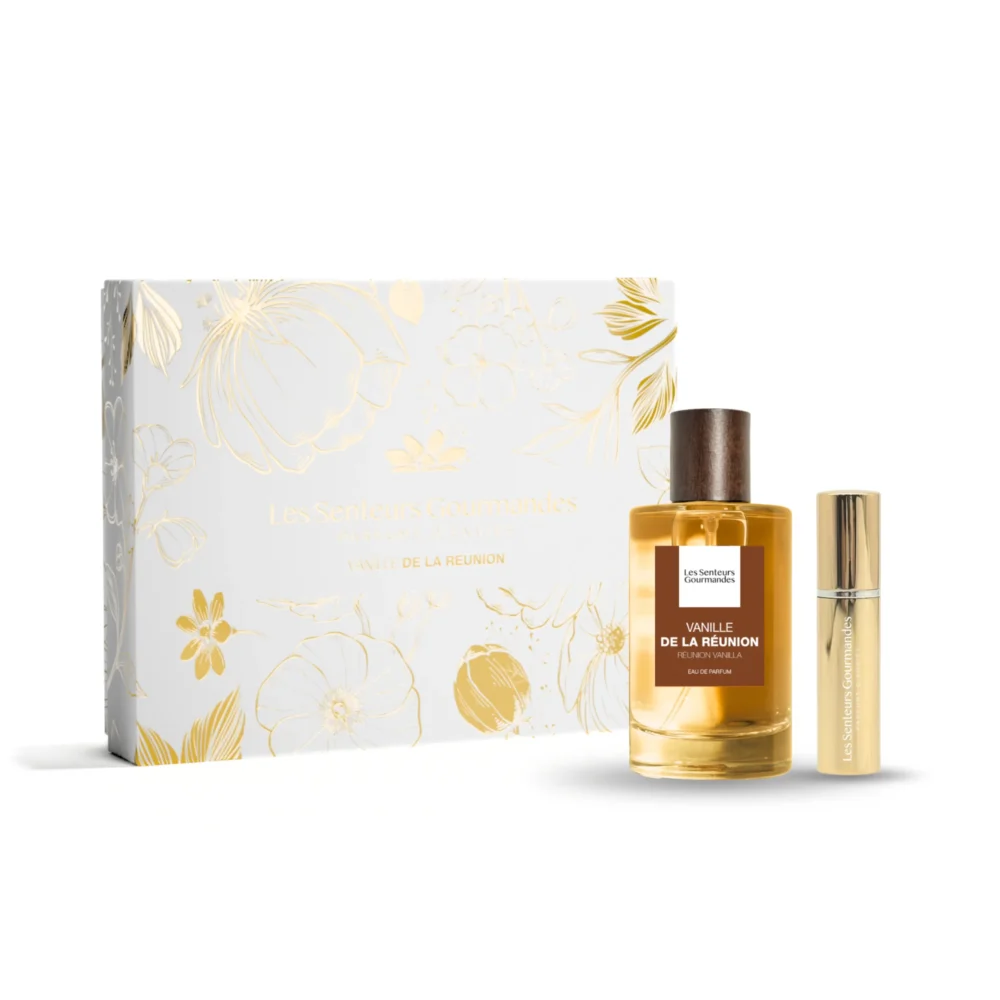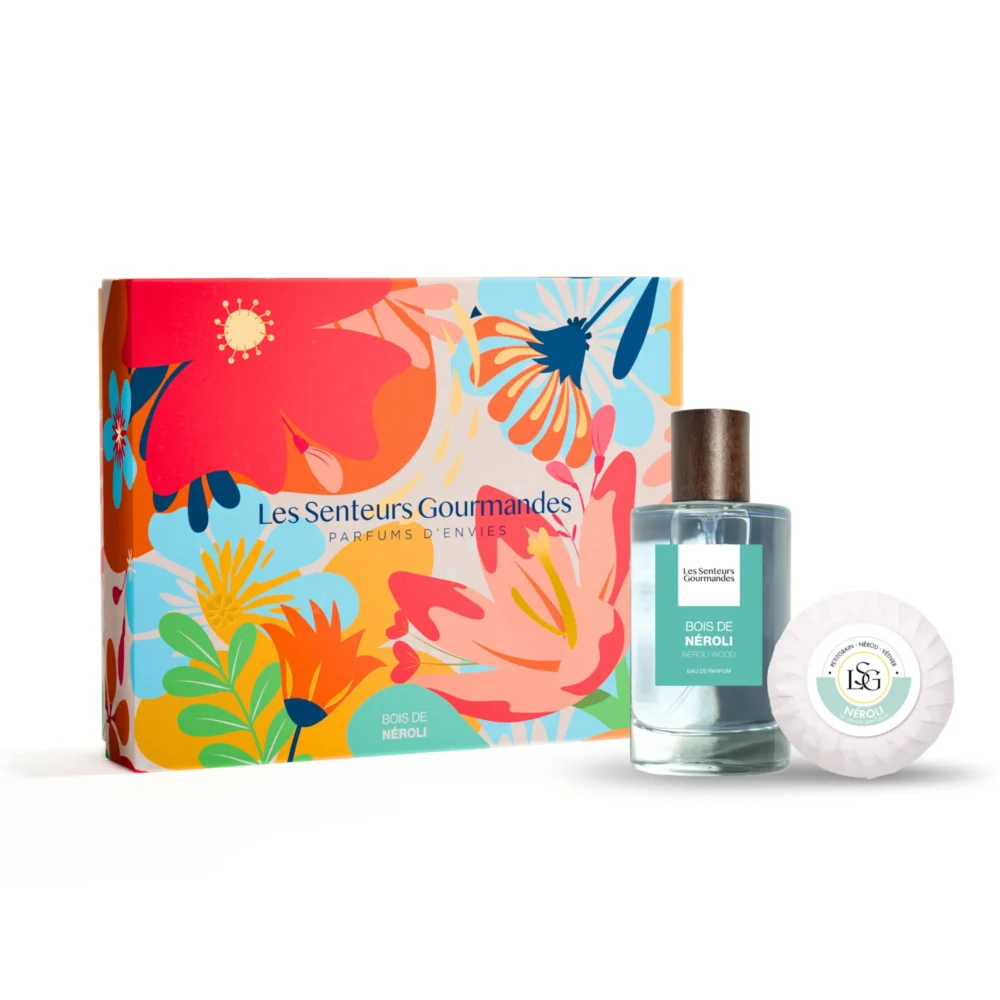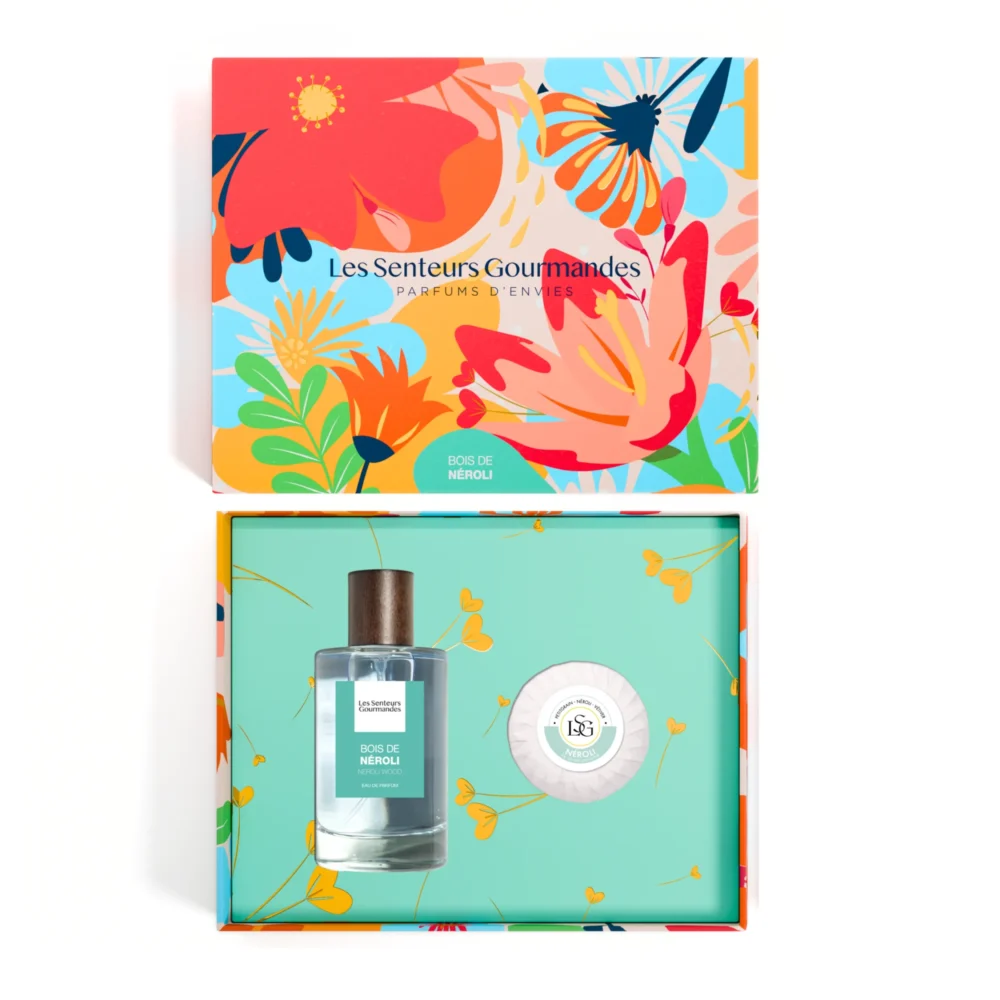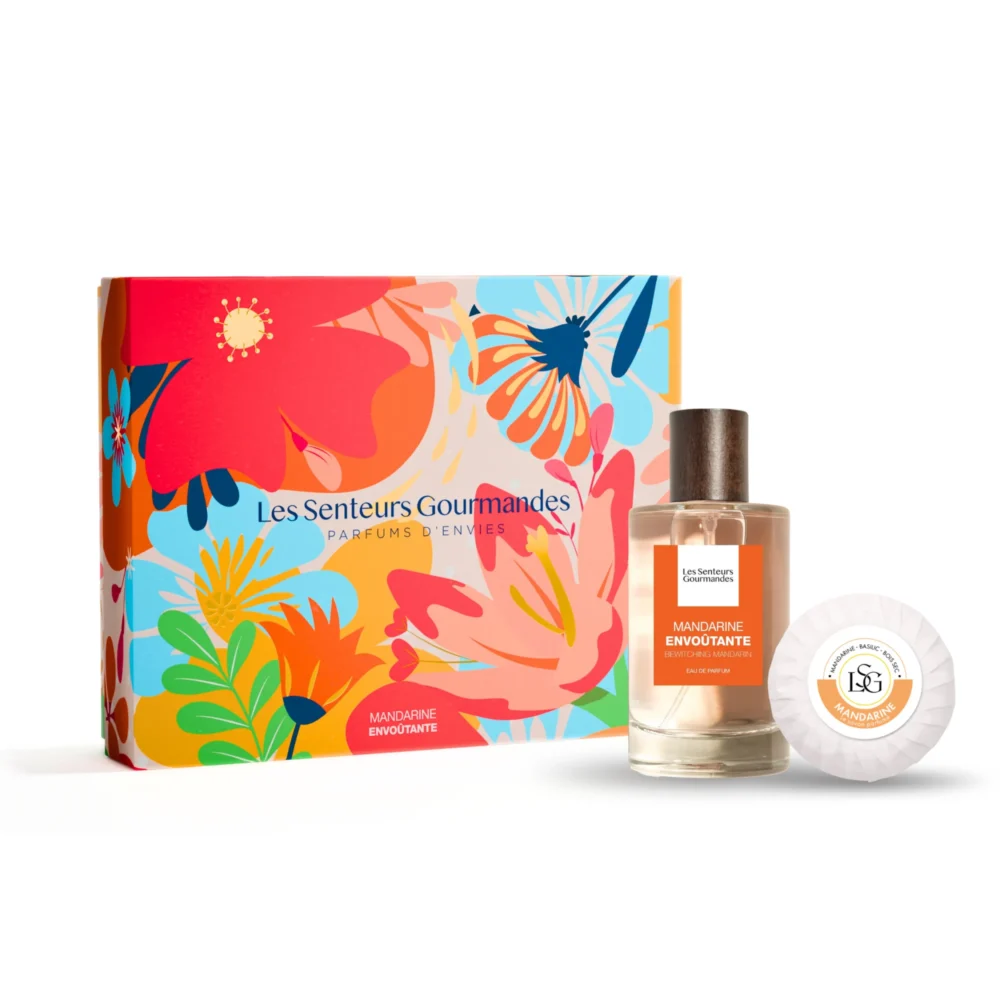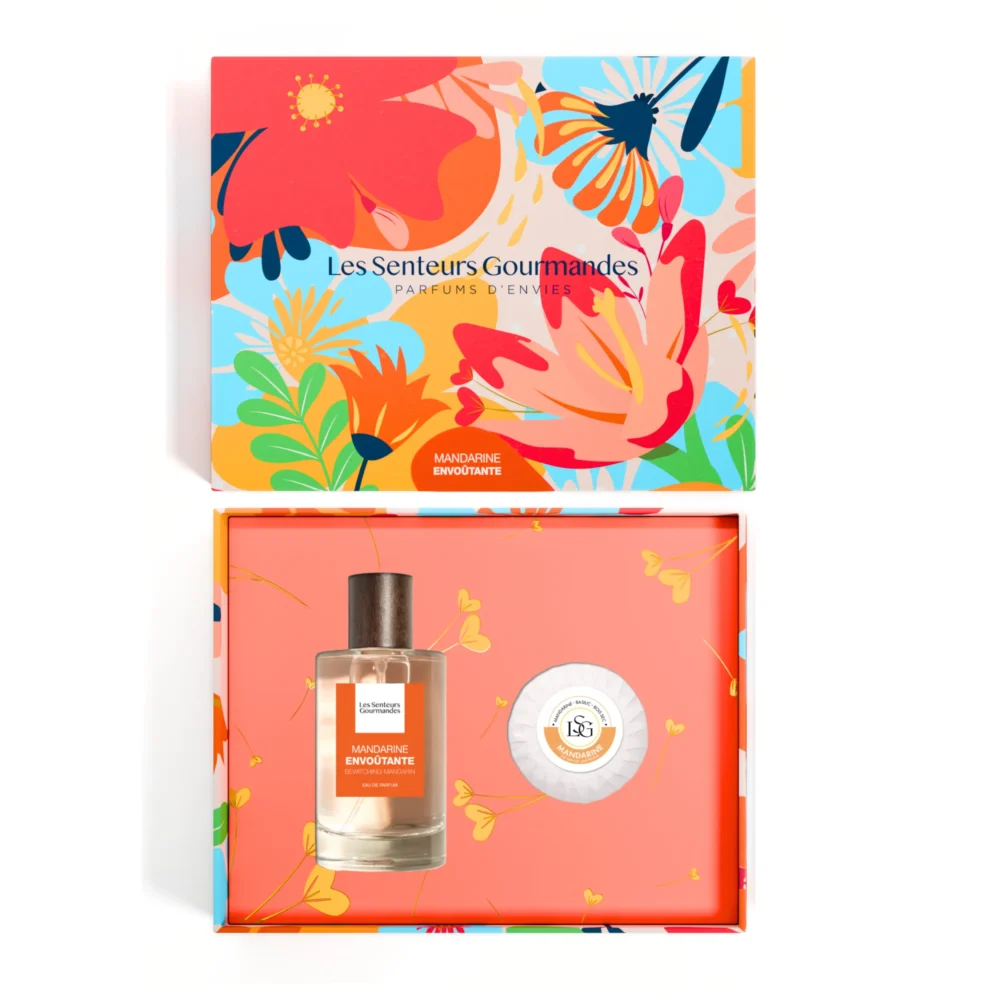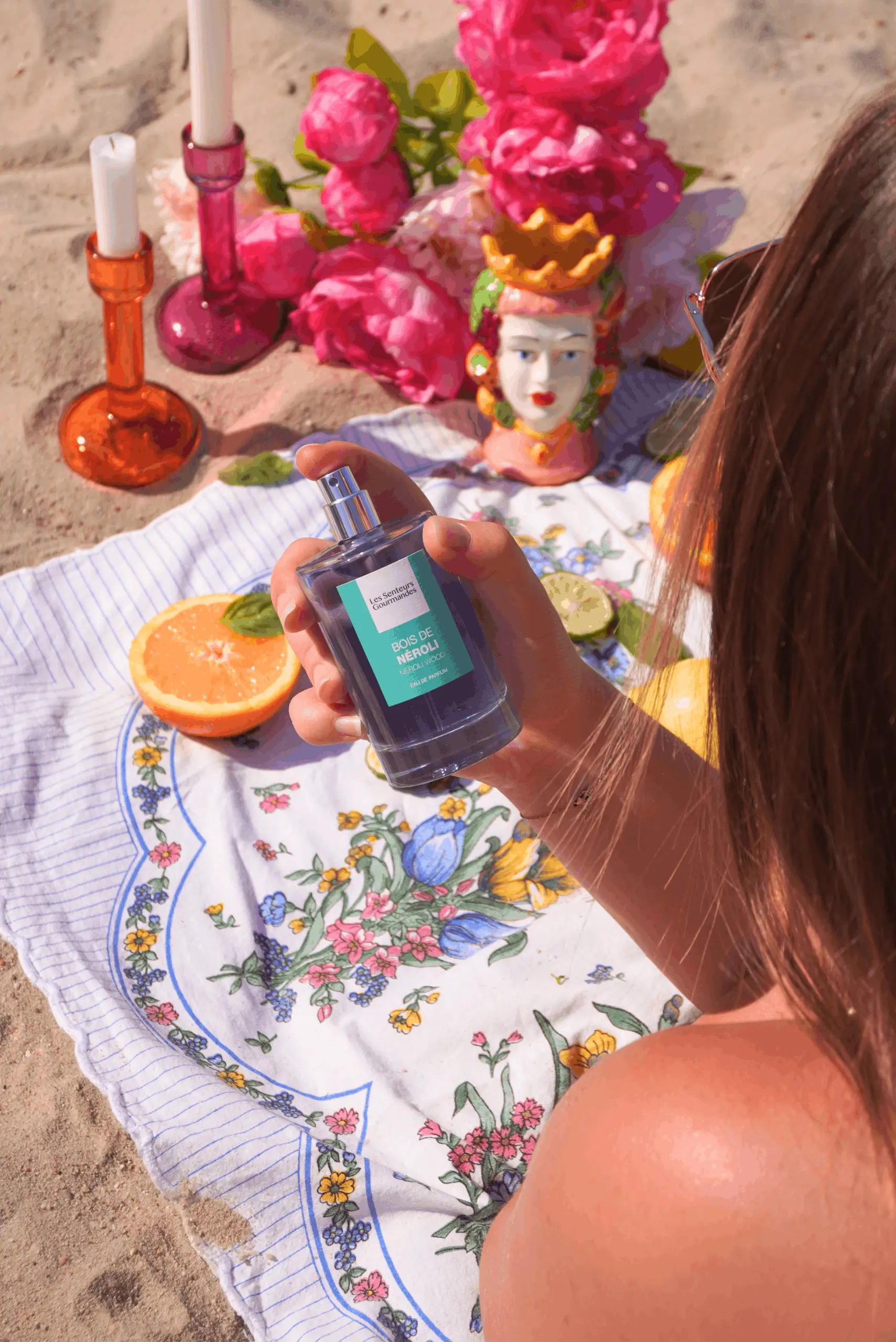
Yes, it is entirely possible to layer multiple perfumes; this technique is called fragrance layering. It consists of applying two or more fragrances (perfume, mist, scented oil) one after the other to create a unique blend, more personal than a single perfume alone.
This is not a recent marketing invention: the practice has its roots in Middle Eastern rituals, where scented oils, incense, and oud were already combined to achieve a rich, deep scent trail. Today it is making a strong comeback, driven by a growing desire for personalization: rather than relying on a single “signature scent”, more and more people are building their own fragrance wardrobe by combining several scents according to their mood, the season, or the occasion.
In practice, it is best to limit yourself to two or three fragrances maximum: beyond that, the risk of “olfactory cacophony” increases significantly.
How to layer multiple perfumes correctly?
The most reliable method follows a three-step logic, from densest to most volatile:
- The base: a fragrance with strong base notes (woody, musky, gourmand, amber, oud). Applied on the chest or torso, it anchors the entire composition.
- The heart: a softer fragrance (floral, light gourmand) applied to the wrists, which are pulse points ideal for proper diffusion. Avoid rubbing your wrists together, as this breaks down the molecules and alters the scent trail.
- The touch of freshness: citrus, marine notes, or mint, to be sprayed last on hair or clothes for an immediate boost.
Another useful tip: wait 10 to 15 minutes before judging the final result, allowing time for top notes to fade and reveal the true accord.
Should you spray directly on the skin?
Not systematically. A frequently recommended alternative is to spray different fragrances on separate parts of the body rather than layering them directly on the exact same area of skin—for example, one perfume on the neck, another on the wrists. This approach also limits cumulative exposure to certain allergens present in the formulations. Spraying one of the fragrances on clothing (scarf, jacket lapel) is another option: textile fibers often hold the fragrance longer than skin, ensuring a prolonged scent trail.
Which scent combinations work best?
A few principles frequently come up among layering experts:
- Stick to related families: floral with floral, oriental with woody—similar compositions align naturally.
- Enhance an existing character: adding a touch of pure vanilla to an already oriental-vanilla perfume amplifies the effect rather than contradicting it.
- Add freshness: citrus notes lighten an amber or woody base that might feel too dense on its own.
- Play with controlled contrast: rose with oud, citrus with vanilla—well-balanced opposites sometimes create the most interesting harmony, provided you test before deciding.
Can you mix two perfumes from different brands?
Yes, nothing stops you from combining perfumes from different brands. What matters is the olfactory structure rather than the origin of the bottle. That said, choosing fragrances from the same brand often makes it easier: formulas from the same creative universe are generally designed to complement each other, reducing the risk of a clash for your first try.
What errors should you avoid when layering?
- Layering two overly concentrated perfumes: the result becomes saturated and olfactorily chaotic.
- Rubbing your wrists after application: this action heats up and breaks down the molecules, altering the perfume.
- Ignoring conflicting top notes: two very bold and contradictory openings (icy mint and warm spices, for example) can create an unpleasant effect in the first few minutes.
- Not testing before an important event: always try a combination the day before, never on the day of.
- Exceeding three layered fragrances: beyond that, the harmony becomes difficult to master, even for an experienced nose.
Is the body mist format suited for layering?
Yes, it is one of the most suitable formats. A mist is less concentrated than a classic eau de parfum, making it an ideal light layer to stack without overpowering the base fragrance. At Les Senteurs Gourmandes, our mists are formulated with 96% natural ingredients, creating a delicate scent veil that pairs effortlessly with our neo-gourmand eaux de parfum.
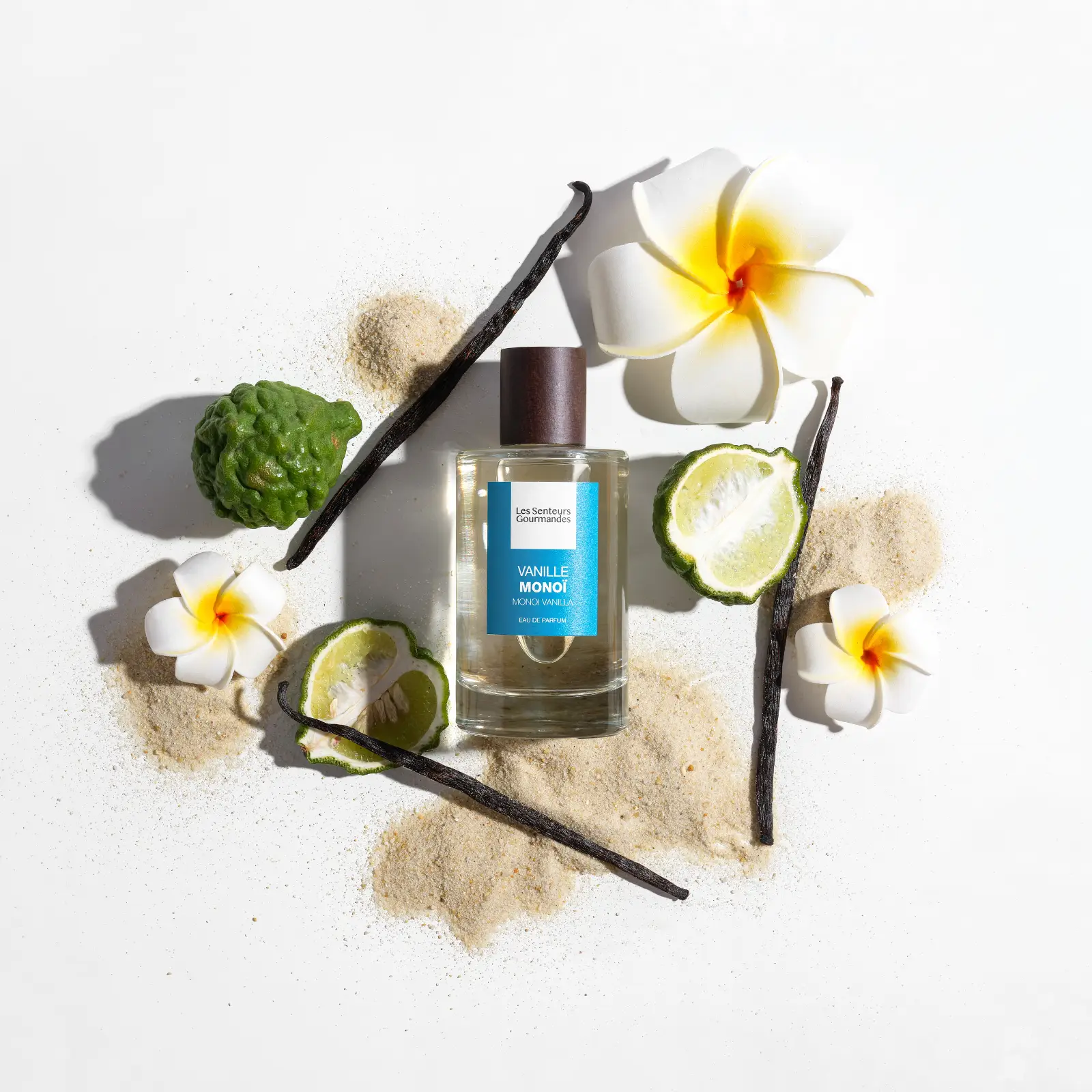
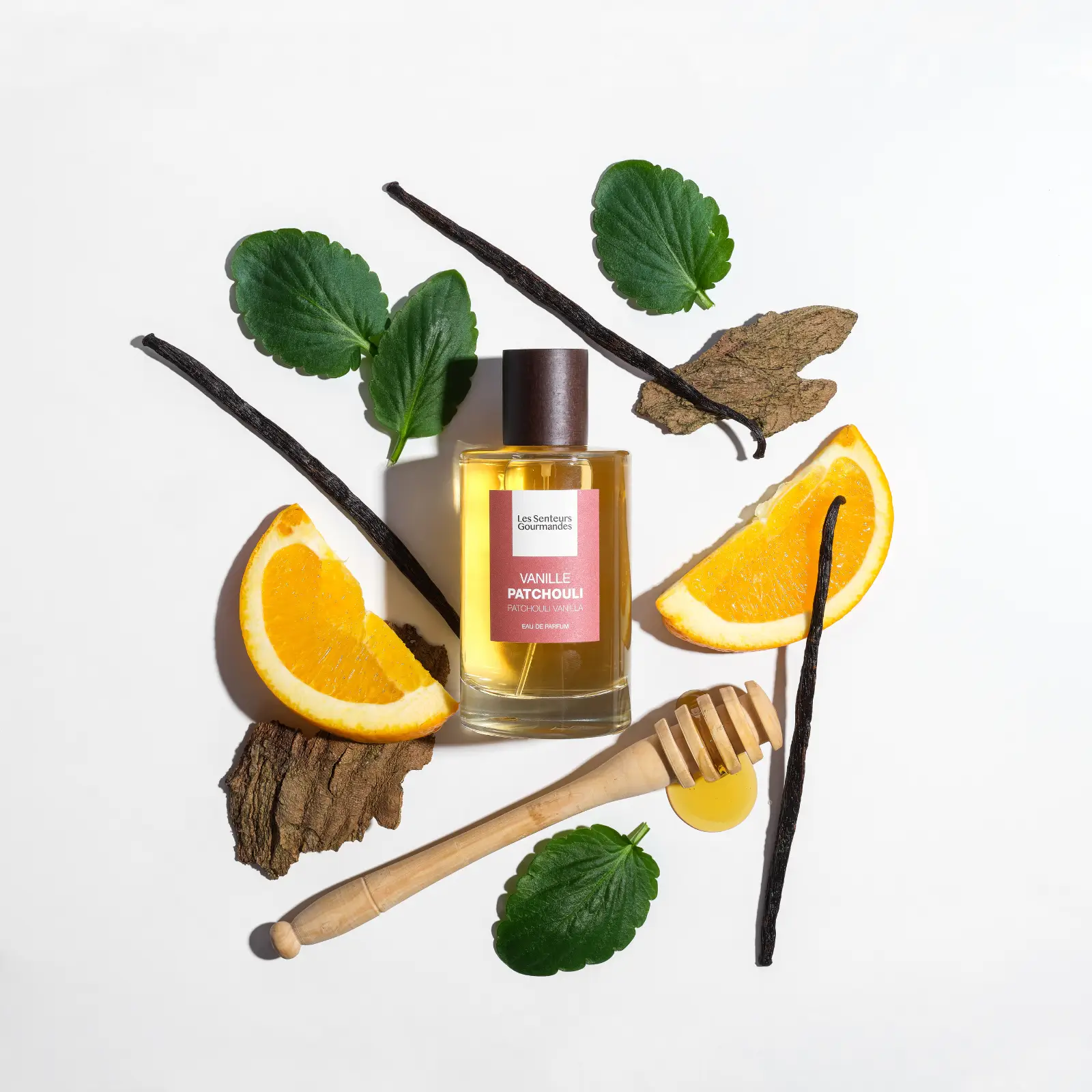
Two in-house combinations to try: Vanille Monoï as a base, extended by the Mangue Tiaré Mist for a fresh, tropical-gourmand scent trail. Or, for a more enveloping accord, Vanille Patchouli (citrus opening, honeyed-spicy heart, sensual-woody base) paired with the Hibiscus Rubis Mist, whose fruity-floral touch lightens the woody base without masking it.


Yes, this is a technique called fragrance layering. It consists of applying two or three different fragrances to create a personalized accord, rather than relying on just one.
Two to three maximum. Beyond that, the notes blur together and the result becomes difficult to control, even for an experienced nose.
Always from densest to lightest: the richest fragrance (woody, amber, gourmand) first on the chest, followed by a lighter fragrance on the wrists, and finally a fresh touch on hair or clothing.
Yes, there are no restrictions. What matters is the olfactory structure of the fragrances, not their brand of origin.
This is not systematically guaranteed: it depends on the fragrances used and their concentration. No verifiable data supports the claim that layering automatically extends wear time.
Related families (floral with floral, woody with oriental) blend naturally. Citrus notes lighten an overly dense amber or woody base. Certain controlled contrasts (rose and oud, citrus and vanilla) work just as well.
Yes, its lighter concentration compared to an eau de parfum makes it an ideal layer to stack without overpowering the base scent.